Doncaster Chamber warns: Milburn Review Reveals “Pathways to Nowhere”
Responding to the publication of the Milburn Review interim report (an independent government-commissioned review into the growing numbers of NEETS), Doncaster Chamber has warned that more must be done, with local evidence highlighting the impact of national policy decisions on the ground.
Dan Fell MBE, Chief Executive of Doncaster Chamber, said, “This is becoming increasingly difficult to ignore. We continue to produce reports diagnosing youth unemployment and economic inactivity, but the reality facing many young people and employers is pretty straightforward.
Of course skills, qualifications and training pathways matter, but if the jobs and opportunities are not there in sufficient numbers, we are only addressing part of the problem.
Businesses across South Yorkshire tell us the same thing repeatedly: taking a chance on young people is becoming harder, not easier. Businesses are also clear that this is largely down to misguided government policy and an inevitable consequence of changing employment rights, national insurance and minimum wages hikes.
Initial findings from Chamber research into this area show that while most businesses remain positive about the prospect of hiring those under the age of 21, government policy is impacting their ability to do so.
At the same time, initiatives to “Get Britain Working” are often perceived as placing additional risk on employers when supporting individuals back into work.
Fell comments “Too much of the conversation focuses on the individual while forgetting the employer. We can create pathways into work, but without jobs and opportunities to go into, those pathways lead nowhere."
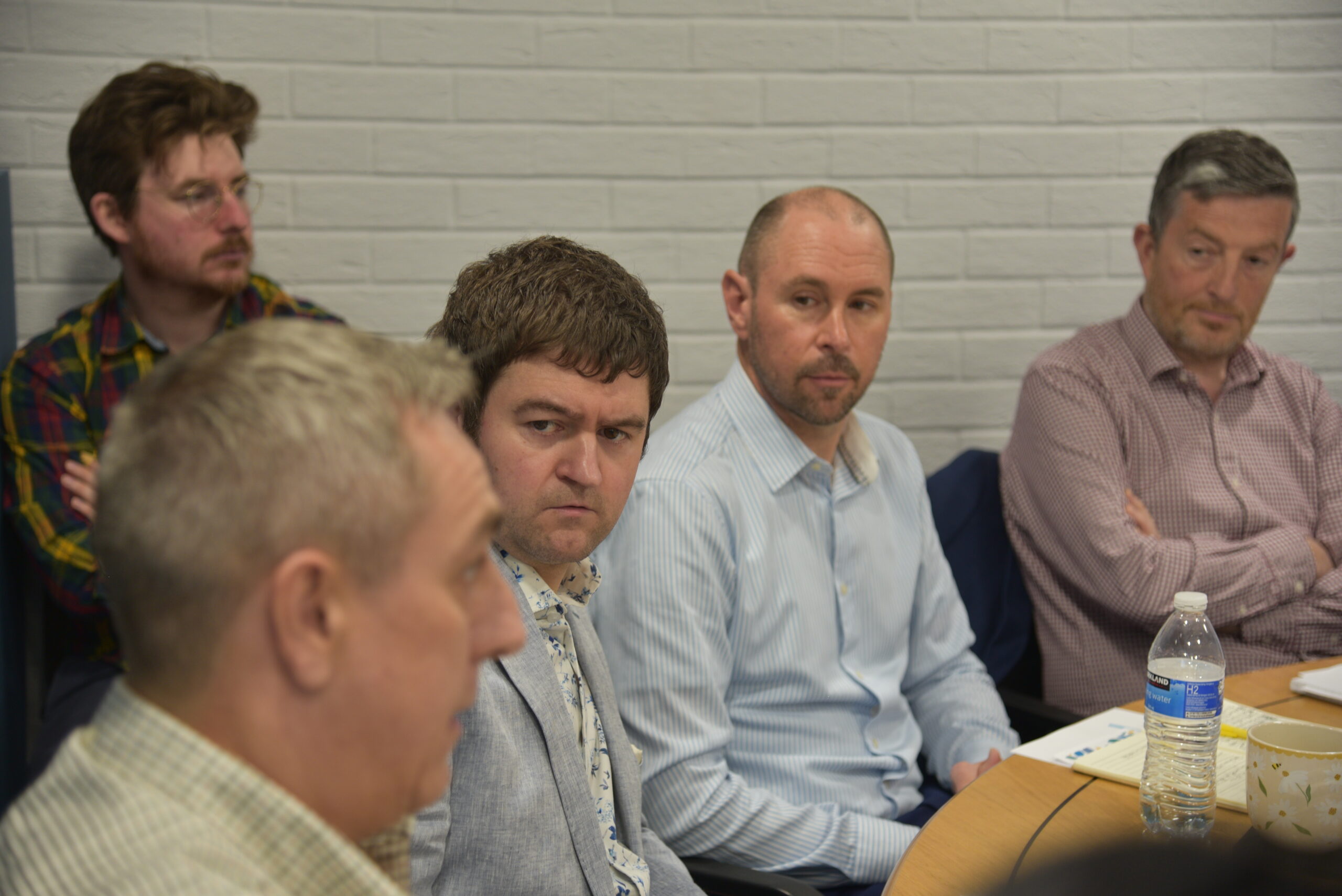
Recent roundtables with MPs across three Doncaster constituencies have reinforced these findings. Businesses were clear that government decisions are having a significant impact on their ability to recruit. In addition, the perceived costs and risks associated with employing young people continue to act as a deterrent for many firms.
Fell adds “Government ultimately has a number of choices. It can reduce the barriers and costs associated with employing young people, it can create stronger incentives for businesses to invest in early careers and apprenticeships, and it can ensure that policy actively supports growth rather than placing further pressure on employers.
The biggest frustration is that none of this should be a surprise. Indeed, our country’s shocking youth unemployment figures have been almost inevitable since the Chancellor’s October 2024 budget.We know businesses want to recruit local young people. We know young people want opportunity. Yet we still have a system where too many people are stuck between education and employment.
If we don't tackle this urgently, we risk failing a generation of young people while simultaneously holding back the growth our economy desperately needs.”
The Chamber emphasised that businesses across Doncaster remain committed to supporting young people into work, with many keen to recruit locally when government takes steps to reduce the costs and risks of employing younger people.
Posted on 28 May 2026